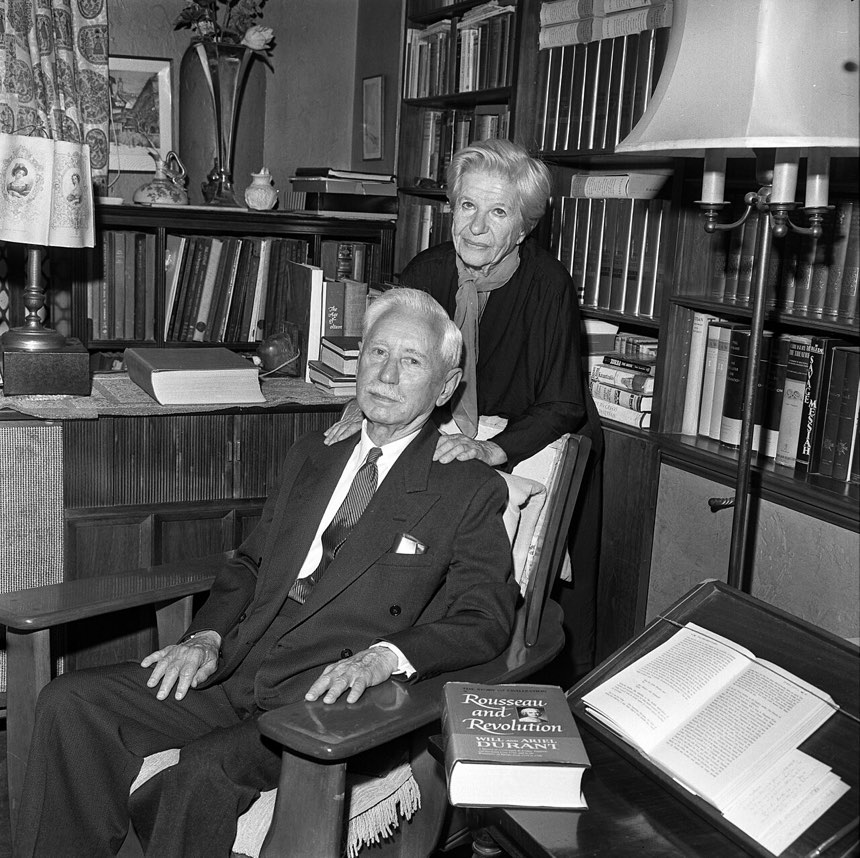
Will & Ariel Durant · 1968 · an animated companion
The Lessons of History
After forty years writing an eleven-volume history of civilization, the Durants boiled it down to about a hundred pages and thirteen short chapters. This page rebuilds each chapter from the ground up, one small step at a time.
How to use it. Every chapter has a stage. Press Next step to add one piece at a time, or Play to watch it build. Arrow keys work once you click a stage. Under each stage, photos show the real objects and places behind the idea.
Reading on Kindle? Each chapter ends with a short phrase you can type into Kindle search to jump to the matching passage.

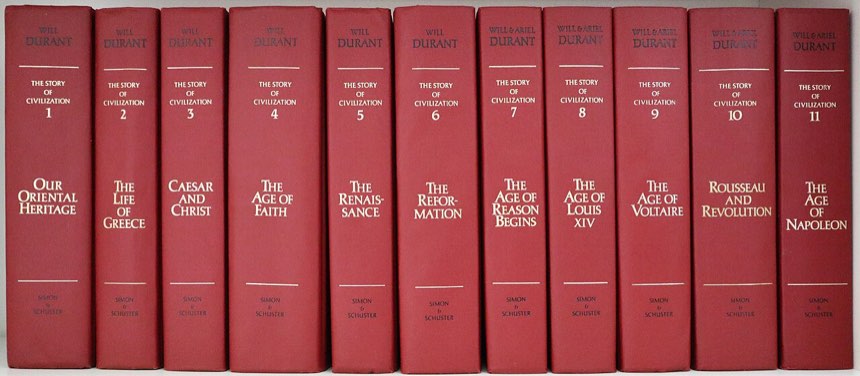

The whole book in one picture
Built from the ground up
The Durants start with rock and water and work upward: living things, human nature, rules, money, power, whole civilizations, and finally whether any of it adds up to progress. Chapter I is a warning about the fog we see it all through.
- XIIIIs Progress Real?what piles up and gets passed on
- XIIGrowth and Decaywhole civilizations rise and fall
- XIHistory and Wargroups collide
- XGovernment and Historywho holds power, and how
- IXSocialism and Historyrunning the economy from the top
- VIIIEconomics and Historywealth piles up, then spreads
- VIIReligion and Historywhat holds the rules up
- VIMorals and Historyrules that fit the economy
- VCharacter and Historyhuman nature, and new ideas
- IVRace and Historycircumstance, not ancestry
- IIIBiology and Historycompete, select, breed
- IIHistory and the Earththe ground everything stands on
- Start at the bottom: a planet of rivers, coasts and climates. Geography decides where people can live and trade. (Ch. II)
- Put living things on it. They compete for food, nature selects the winners, and they multiply. (Ch. III)
- Those living things are people. Ancestry explains little; human nature is fixed, and culture is built on top of it. (Ch. IV–V)
- To live together, people make rules: morals that fit their economy, often backed by religion. (Ch. VI–VII)
- They make and trade things. Wealth piles up at the top, then gets spread out again, sometimes by force. (Ch. VIII–IX)
- They organize power into governments, and the groups they form fight wars. (Ch. X–XI)
- Whole civilizations rise and fall, and what they leave behind accumulates. That pile is the case for progress. (Ch. XII–XIII)
- And we see every layer through fog. What survives from the past is partial and biased, so every lesson is held loosely. (Ch. I)
Chapter I
Hesitations
We see the past through a keyhole, so every lesson should be held loosely.
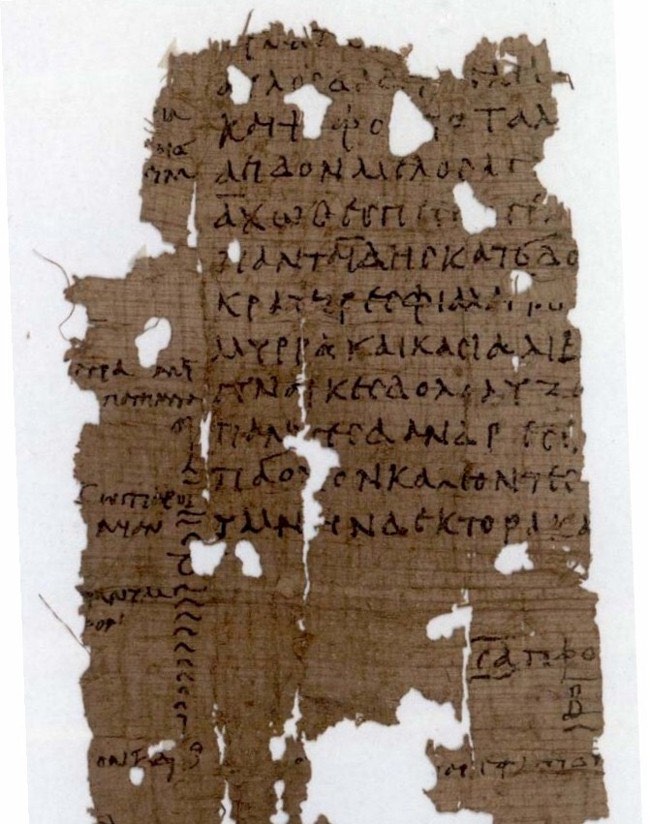
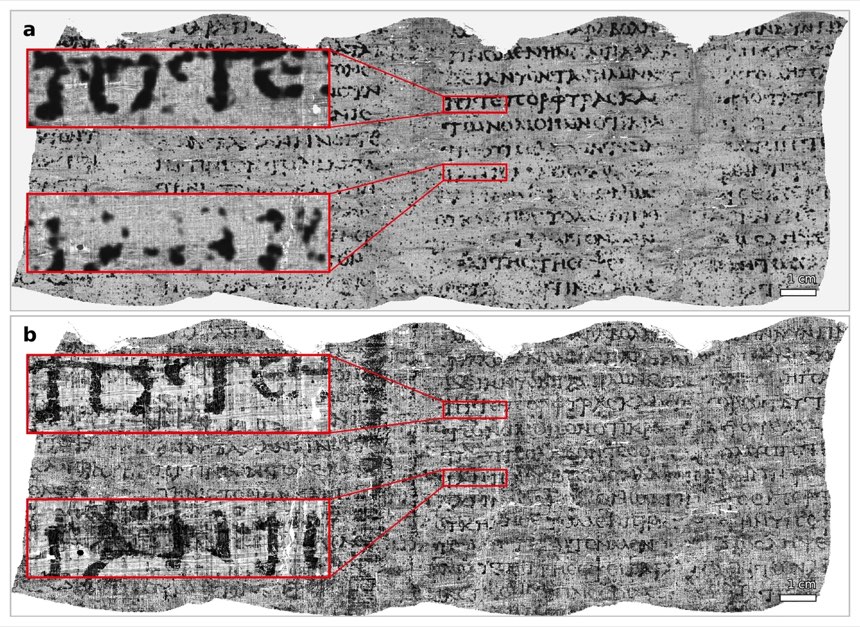
Before offering a single lesson, the Durants list reasons to doubt them. The evidence is a thin, lopsided sample of what happened, and whoever reads it brings their own biases. The whole book follows from this: lessons, offered humbly.
- Picture one year in one ancient city. Each dot is an event: a birth, a harvest, a wedding, a quarrel. A few are dramatic : a battle, a coup, a scandal.
- Most of it is never written down. Suppose scribes record 7 in 10 dramatic events but only 3 in 100 ordinary ones. Ringed dots made it into writing.
- Time destroys most of what was written: fire, damp, war, reuse. Say one record in four survives to reach us.
- A historian studies the survivors through a lens. Their country, religion and era tint what they see, and they connect the dots into a story.
- Compare the two pictures. Real life was overwhelmingly ordinary; the surviving record is about half drama. That gap is why the Durants call most history guessing, and the rest prejudice.
- The record is a tiny sample. Most of what happened was never written down, and most of what was written is gone.
- The sample is skewed. Records favor the dramatic and the powerful: battles, kings, crimes. Ordinary life barely appears.
- Every historian has a lens. Nation, religion, class and era shape which facts get picked. In the Durants’ words, “the historian always oversimplifies.”
- So history is an art and a philosophy, not a science. It can’t be rerun in a lab; its lessons are educated judgments.
- Still worth it. The present is the past rolled up into one moment. Unrolling it is how we understand where today came from.


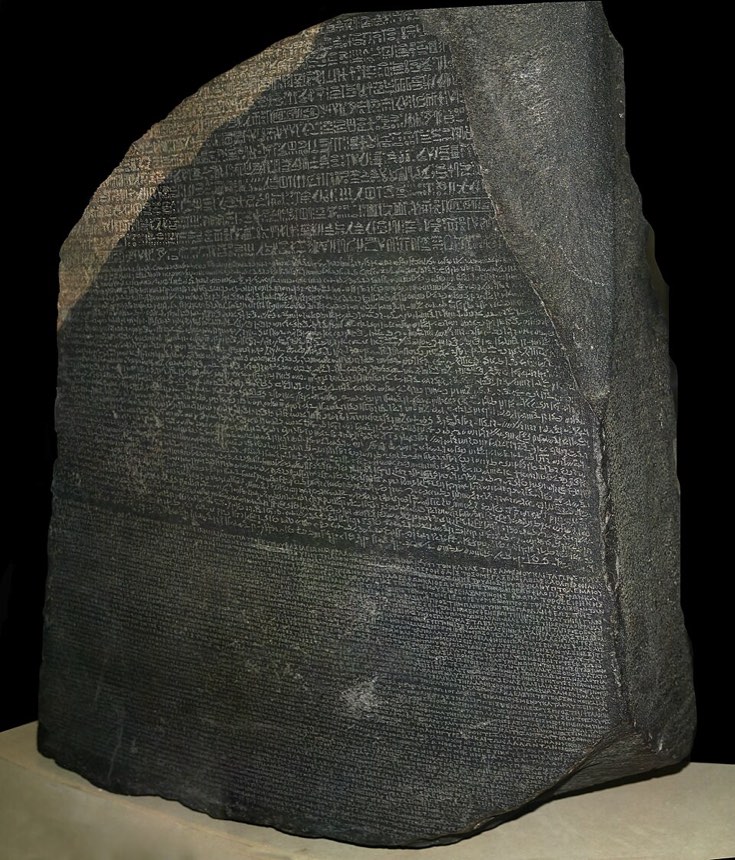

“Most history is guessing, and the rest is prejudice.”
Chapter II
History and the Earth
Geography sets the stage. Technology slowly loosens its grip.
The book starts at the bottom, with rock and water. Rivers decide where the first cities appear; coasts and trade routes decide which cities get rich. Each new tool makes geography matter a little less, but it never stops mattering.
- Start with land and water. The first cities grow along rivers: the Nile, the Tigris and Euphrates, the Indus, the Yellow River. Rivers give drinking water, fertile mud and a free road.
- Water is the cheapest road there is. For about three thousand years the Mediterranean is the busy center of the Western world, and its ports grow rich carrying goods between them.
- 1492: ships cross the Atlantic. The main trade routes move to the ocean. Venice and Genoa fade; Lisbon, Seville, Amsterdam and London rise.
- Then the airplane flies straight over coasts and mountains. The Durants guessed this would help huge land powers with little coastline for their size: Russia, China and Brazil.
- Rivers, a sea, an ocean, the air: each new road redraws the map of who prospers. Geography sets limits, and technology keeps moving them.
- History is subject to geology. Coasts move, rivers shift and silt up, climates change. Civilizations sit on a slowly moving floor.
- Water makes civilization possible. Rivers, lakes and seas supply food and water and the cheapest roads for trade.
- Trade routes decide who gets rich. When the main route moved from the Mediterranean to the Atlantic, wealth and power moved with it.
- Technology loosens the grip. Irrigation, ships, railways and aircraft each remove a constraint. In their words, “the influence of geographic factors diminishes as technology grows.”
- Modesty first. Human history is a brief spot in space, and its first lesson is modesty.
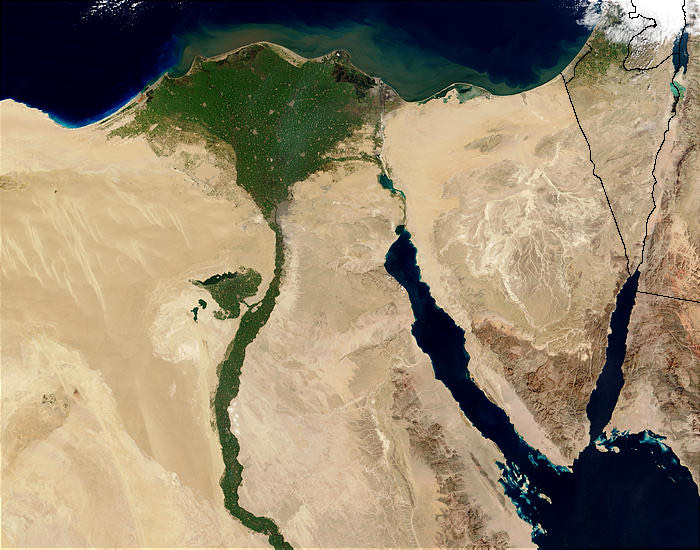

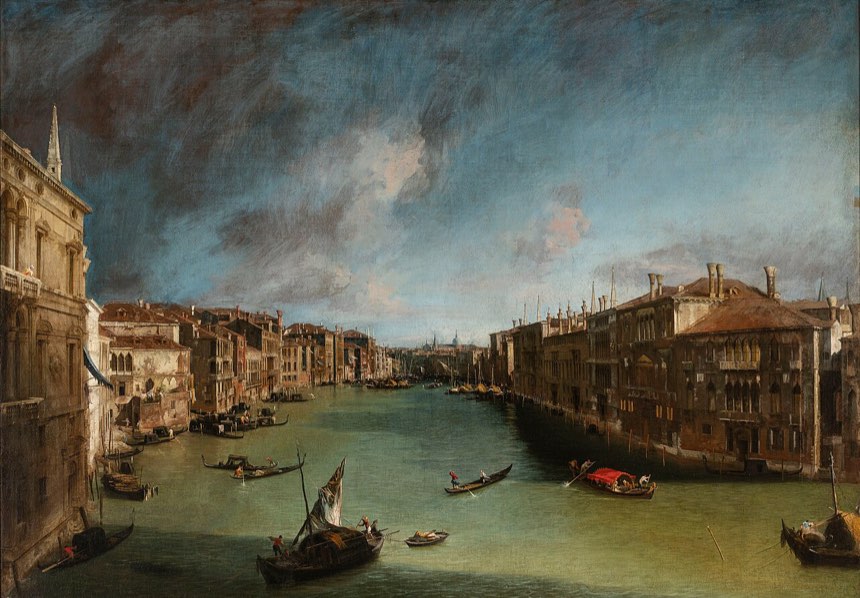

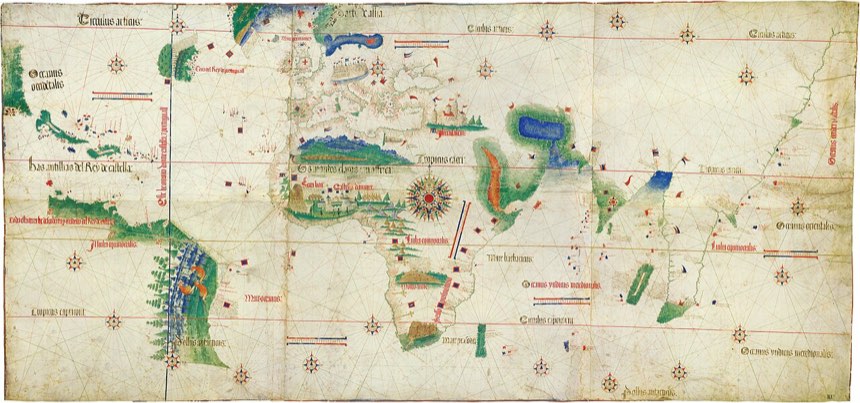

“History is subject to geology.”
Chapter III
Biology and History
Before anything else, people are animals: we compete, we are unequal, and we multiply.
History is a fragment of biology. The Durants take three lessons from nature and show each one at work in human societies.
Lesson 1 Life is competition
- One creature, plenty of food. Nobody has to fight for anything.
- Now there are more mouths than food. Every bite one creature takes is a bite another doesn’t get. Some starve. That is competition.
- Some creatures team up. A team can take and hold what a loner can’t, so the loners lose.
- Teams nest inside bigger teams: family, tribe, nation. We cooperate inside the group in order to compete better against other groups.
- Scale it up to whole nations and the contest for land, food and fuel becomes war.
Lesson 2 Life is selection
- Forty people start with equal wealth. Underneath, their abilities differ a little: the ticks under each bar. They’re lined up from least to most able.
- Let them work freely for twenty seasons, each keeping what they make. Small differences compound, and inequality appears.
- Make the economy more complex so that skill pays more, and run it longer. The gap widens. Inequality grows with civilization.
- To force equality back, someone has to take from the top and give to the bottom. Here people keep only 15% of what they make. Equal again, but far less free.
- Your turn: drag the slider. More freedom brings more inequality; more equality needs less freedom. You can’t max out both.
Lesson 3 Life must breed
- Food grows by adding: a new field here, a better plow there. Say each generation the land can feed 100 more people.
- People grow by multiplying. If every couple raises about three children who live to have families of their own, the population doubles every two generations.
- Adding can’t keep up with multiplying. At some point there are more mouths than food.
- Nature then uses three brakes: famine, pestilence and war. Population is knocked back below the food line, then climbs again.
- Modern societies found two new levers: more food from technology, and fewer births by choice. Since 1968 the world went from about 3.5 to 8 billion people while famine deaths fell sharply.
- Competition. Peaceful when food is plentiful, violent when mouths outrun food. Cooperation is real, but mostly a tool of competition between groups.
- Selection. We are born unequal in body and mind, and “inequality is not only natural and inborn, it grows with the complexity of civilization.”
- Freedom versus equality. Push one up and the other comes down. The best a fair society can manage is equality before the law and equal access to education.
- Breeding. Nature favors large numbers, then selects. When people outrun food, famine, pestilence and war restore the balance.
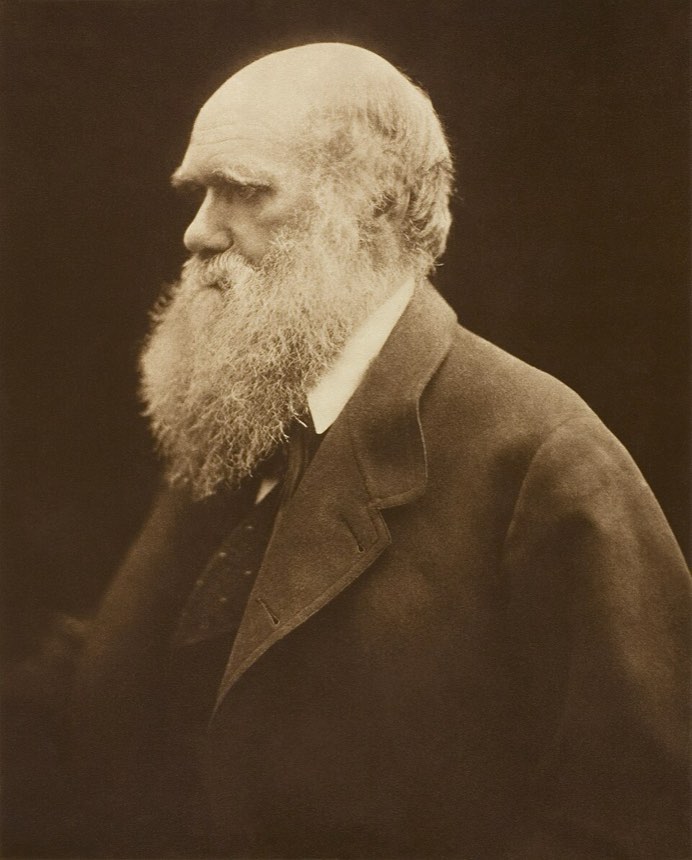

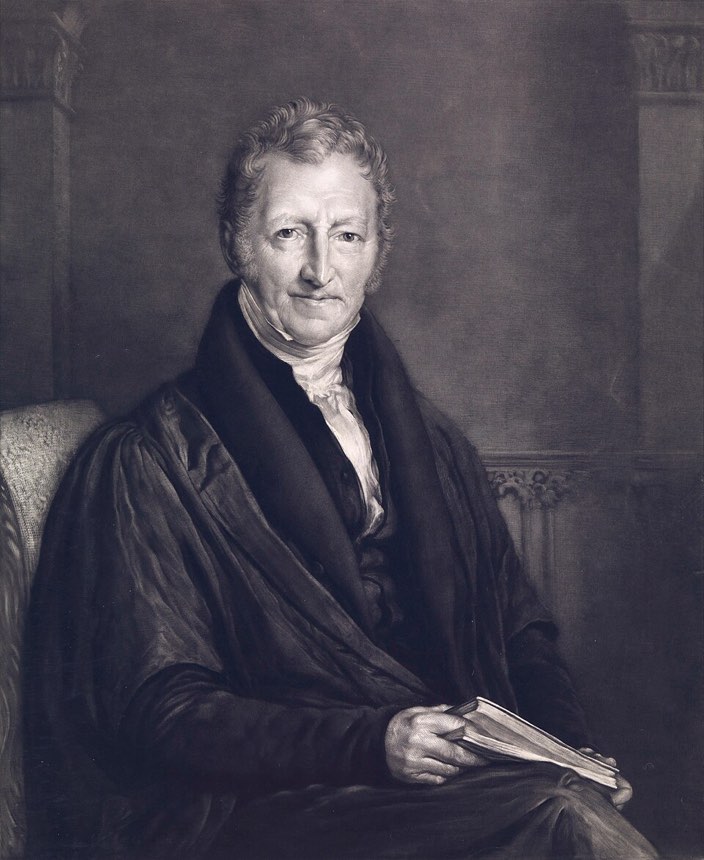

“…freedom and equality are sworn and everlasting enemies.”
Chapter IV
Race and History
Civilization makes the people, not the other way round.
In the 1800s and early 1900s, writers such as Arthur de Gobineau and Houston Stewart Chamberlain claimed that civilization was the work of one gifted race. The Durants test the claim against the record and reject it. Their vocabulary is of 1968; their conclusion matches today’s scholarship.
- The race theory draws a single arrow: a superior race produces civilization. Let’s test it against the map.
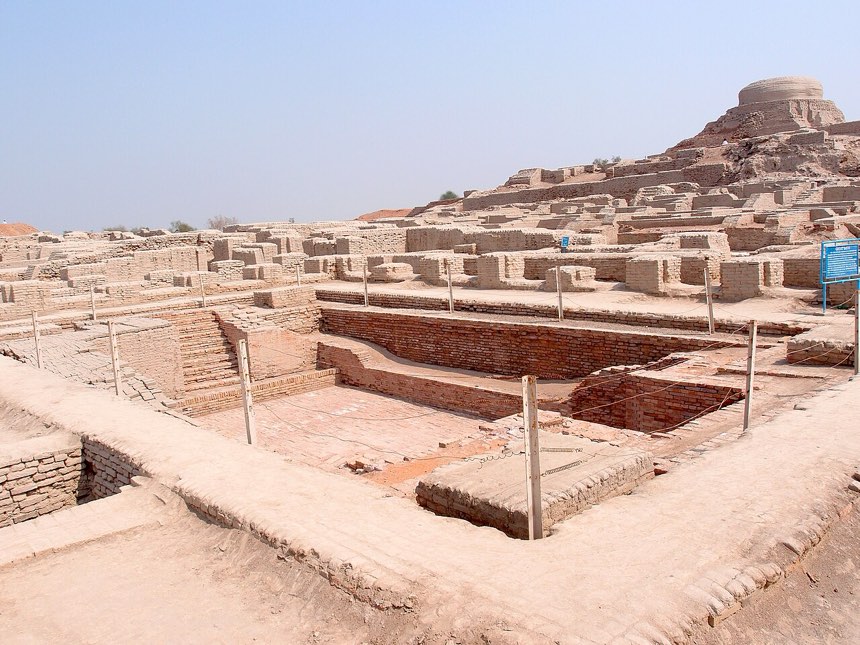
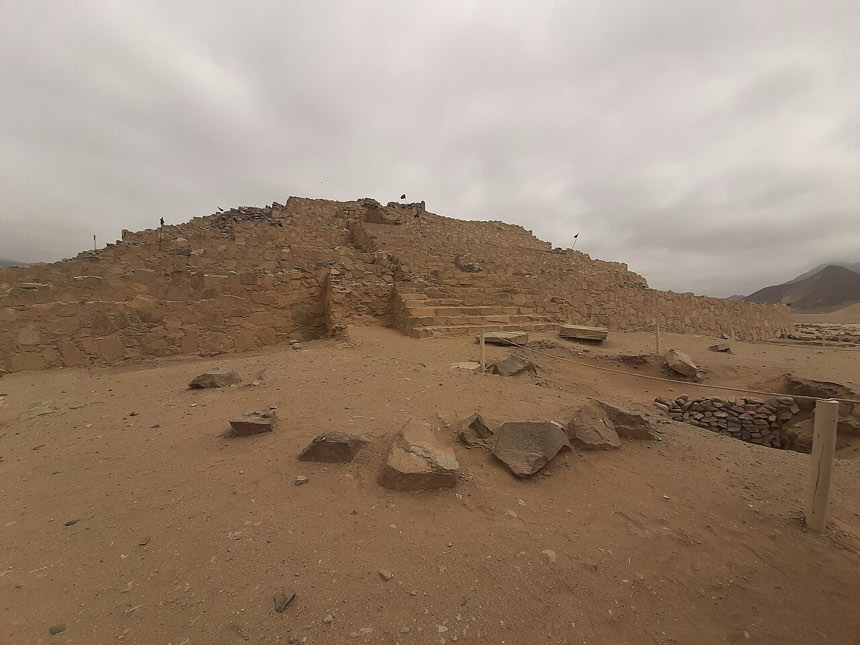
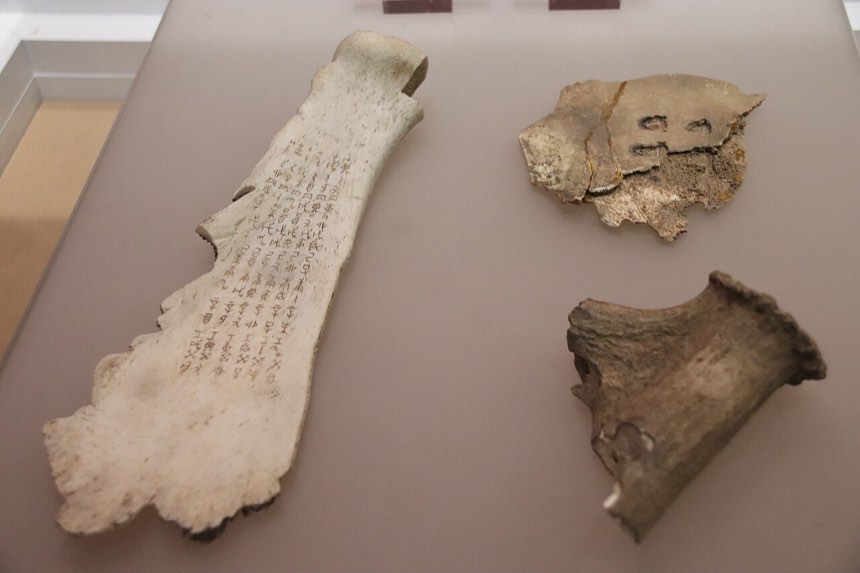
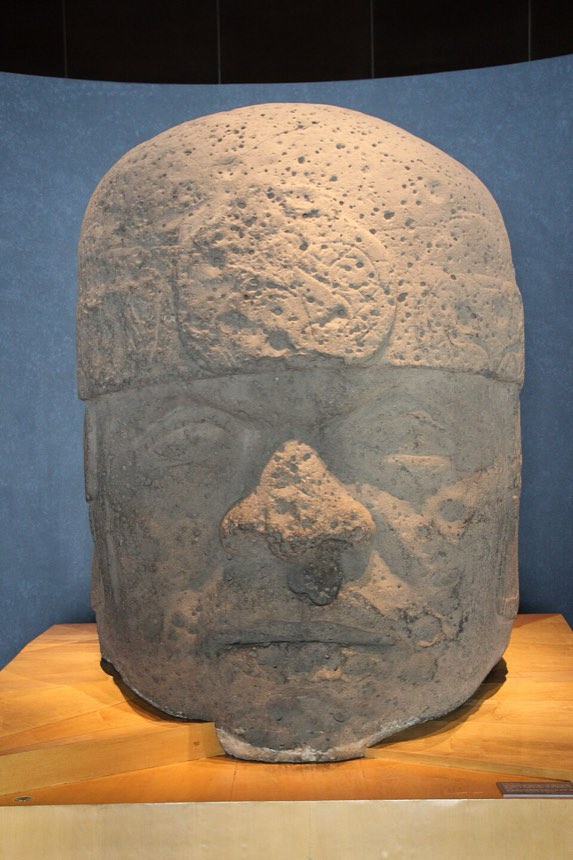
- Where did civilization first appear? Mesopotamia, Egypt, the Indus valley, coastal Peru, China, Mexico.
- Six cradles, on four continents, among peoples who look nothing alike. Peru and Mexico had no contact with Asia or Africa at all.
- What they share is circumstance: river valleys, fertile soil, a surplus of food, and trade. Nothing about skin.
- So the arrow runs the other way. Geography and economics create a culture, and the culture shapes the people.
- Civilizations arose among many peoples. History, they write, is color-blind and can develop a civilization, in any favorable environment, “under almost any skin.”
- Circumstance is the cause. Geography, economics and politics create a culture, and the culture creates a human type.
- Hostility between groups is mostly about acquired culture. Language, dress, habits, morals and religion drive it more than ancestry. The remedy is broader education.
- Same ancestry, different culture. The Norse who raided Lindisfarne in 793 are ancestors of some of the world’s most peaceful societies today.
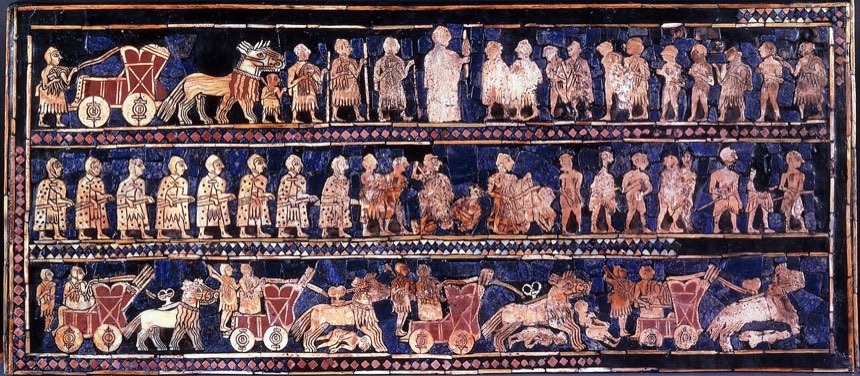

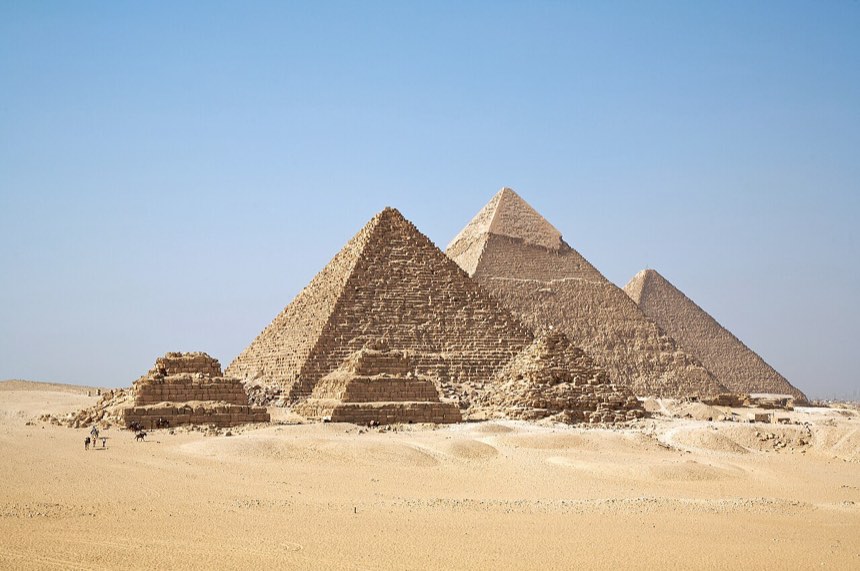





“It is the civilization that makes the people.”
Chapter V
Character and History
Human nature hardly changes. The habits built on top of it do, and every new habit has to earn its place.
Society, the Durants argue, rests on human nature rather than on ideals. Our instincts come in pairs, such as acting and resting, fighting and fleeing, seeking company and seeking privacy, and they are the same as in ancient Athens. What changes is behavior passed on by imitation and teaching, and that change runs through a contest between innovators and conservatives.
- Every society runs on traditions: habits and institutions that survived generations of trial and error.
- Innovators keep proposing changes. The Durants guess that out of every hundred new ideas, ninety-nine or more are worse than the habits they would replace.
- Conservatives push back with objection, opposition and ridicule. That resistance is a mill that grinds most new ideas down.
- The rare idea that survives the mill joins the tradition and makes it stronger.
- Your turn: set how hard the mill is. With no mill, bad ideas flood in. With a total mill, nothing new gets through and the society can’t adapt.
- Human nature is a constant. Recorded history is far too short for evolution to change our instincts.
- Social evolution runs on imitation. New ways of living spread by example, custom and schooling, not by genes.
- Most new ideas are bad. No one person, however brilliant, can safely judge in one lifetime the customs that took generations to test.
- So conservatives are useful. “The conservative who resists change is as valuable as the radical who proposes it.” New ideas must survive the mill of objection.
- And innovators are essential. Without them a society can’t adapt when its circumstances change.


“The conservative who resists change is as valuable as the radical who proposes it.”
Chapter VI
Morals and History
Morals are rules that fit an economy. Change how people make a living and the rules change.
Morals are the rules by which a society urges its members to behave in ways that keep it orderly, safe and growing. Laws compel; morals persuade. The Durants trace how those rules shifted as people moved from hunting to farming to factories.
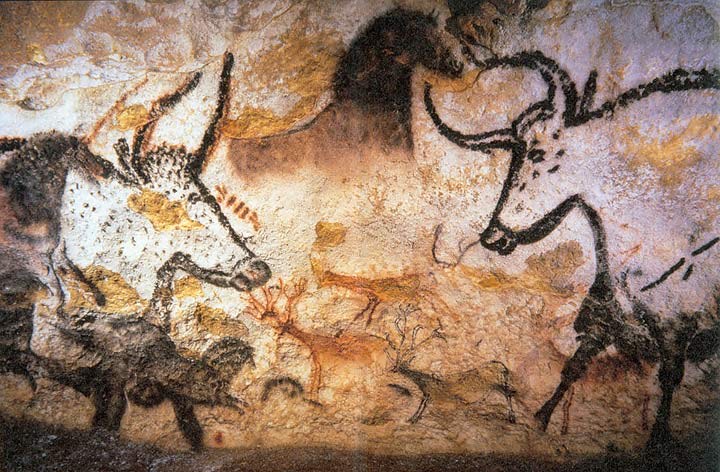
- For most of human existence we lived by hunting. Survival rewarded fierceness, grabbing food while you could, and readiness to mate.
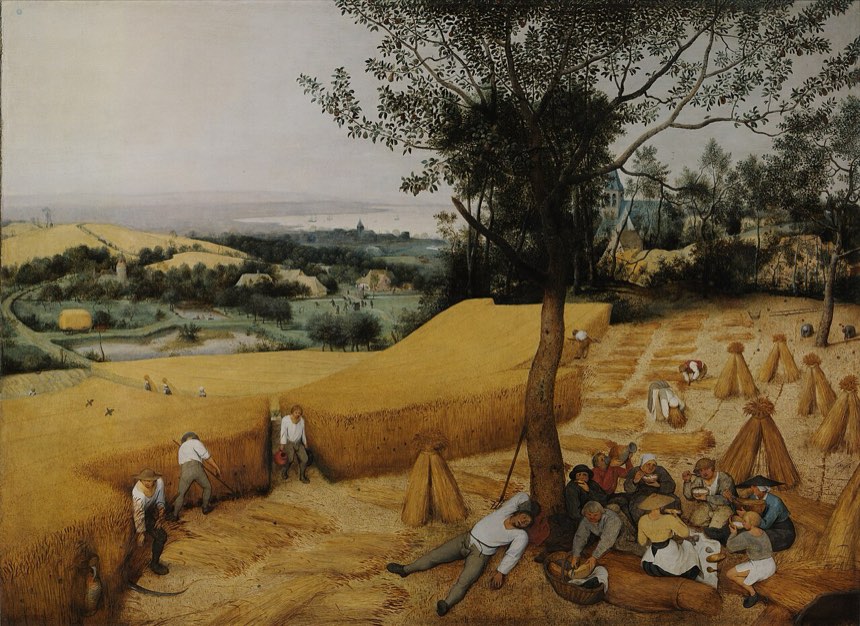
- Farming changes the economics. A family farm needs steady work, saving, peace and obedience, and children are free labor by age seven. Yesterday’s hunting virtues become vices.
- The Industrial Revolution moves families into cities. Children now cost money for twenty years, marriage is delayed, birth control spreads, and the farm-family code loosens.
- Read across a row: the same trait changes verdict as the economy changes. Our “sins” may be leftovers from the hunt rather than proof that we fell.
- History also exaggerates sin. The record keeps the scandal and loses the thousands of quiet, decent homes around it.
- The hunting code. “Pugnacity, brutality, greed, and sexual readiness were advantages in the struggle for existence.”
- The farming code. Work, thrift, peace, obedience, chastity, early marriage and big families, because the family was the farm’s workforce.
- The industrial code. Wages, cities and schooling made children expensive and young people independent, and the old code weakened.
- Sin isn’t new. Moral looseness shows up in every age. Historians record the exceptional, and the ordinary decent life leaves no trace.
A real-world check. In 1900 about 41% of American workers farmed; by 2000, under 2% did. Across the same century, births per woman fell from about 3.6 to about 2.1. Sources: USDA Economic Research Service; historical US fertility estimates.


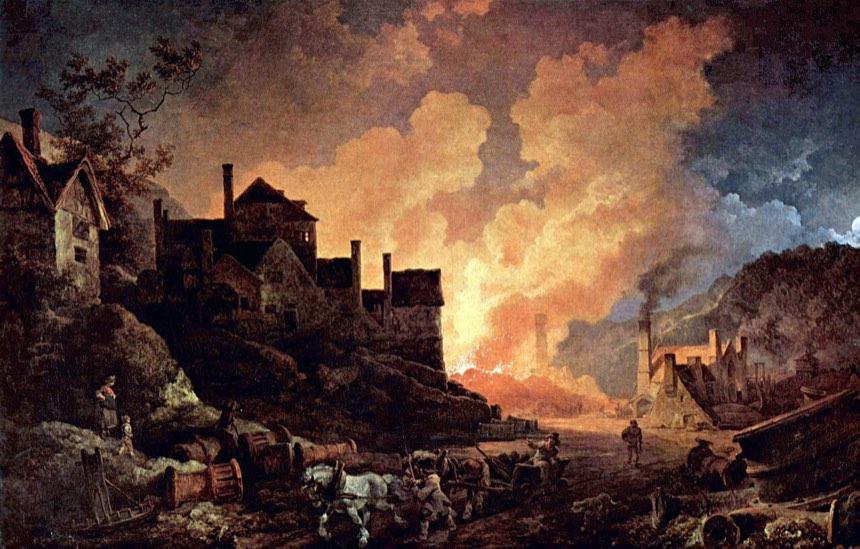

“Man’s sins may be the relics of his rise rather than the stigmata of his fall.”
Chapter VII
Religion and History
Religion has helped hold up the moral order in every age. The open question is whether anything else can.
The Durants write as skeptics, yet they respect religion’s record. It has comforted the suffering, given ordinary lives meaning, helped parents discipline the young and turned human promises into sacred ones. They also see it rise and fall in a rhythm tied to the strength of law.
- Every society needs order: promises kept, property respected, children raised. Think of it as a beam that has to be held up.
- Two supports can carry it. Law compels from outside. Religion, with the morals it teaches, persuades from inside.
- When law is weak (a frontier, a collapsing empire), religion carries most of the weight, and strict morals, which the Durants call puritanism, prevail.
- As law and government grow strong, they carry more of the load. Belief can weaken without the beam falling, and skepticism and “paganism” spread.
- So societies swing between repressing and expressing desire, each swing a reaction to the last. English history gives a clean example.
- The Durants’ open question: before our time, no society kept its moral life without help from religion. Can law and education carry the whole beam? History hasn’t answered yet.
- What religion does. Comfort, meaning, moral discipline and social stability, for rich and poor alike.
- Does history prove a benevolent God? The Durants answer with a reluctant no: history looks like natural selection, and goodness gets no special favors.
- Law and religion share the load. Strict morals dominate when laws are weak; skepticism spreads once strong governments can keep order.
- The pendulum. Puritanism and paganism, the repression and the expression of desire, alternate in reaction to each other.
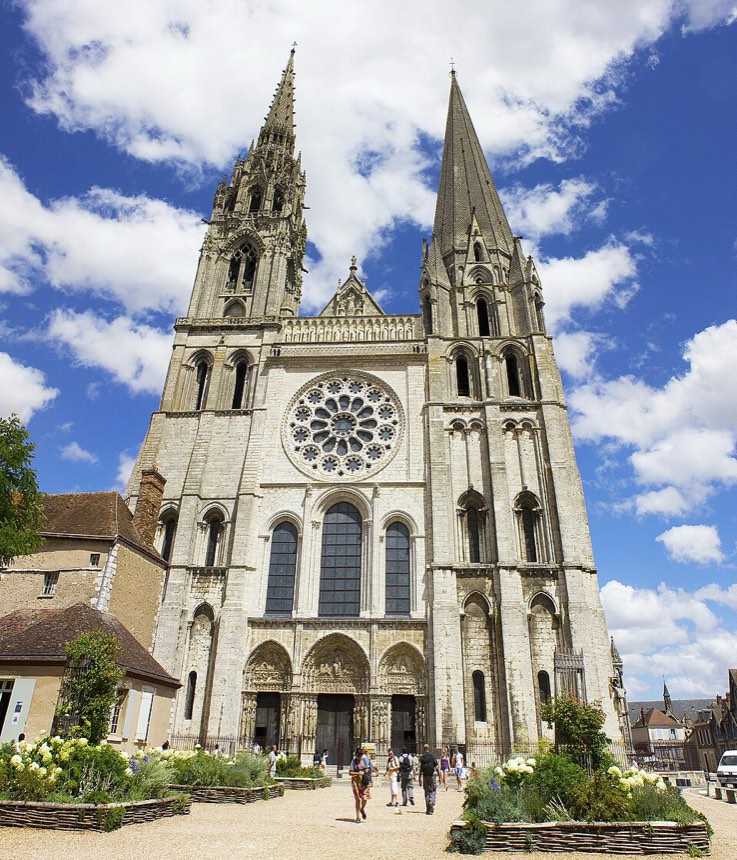

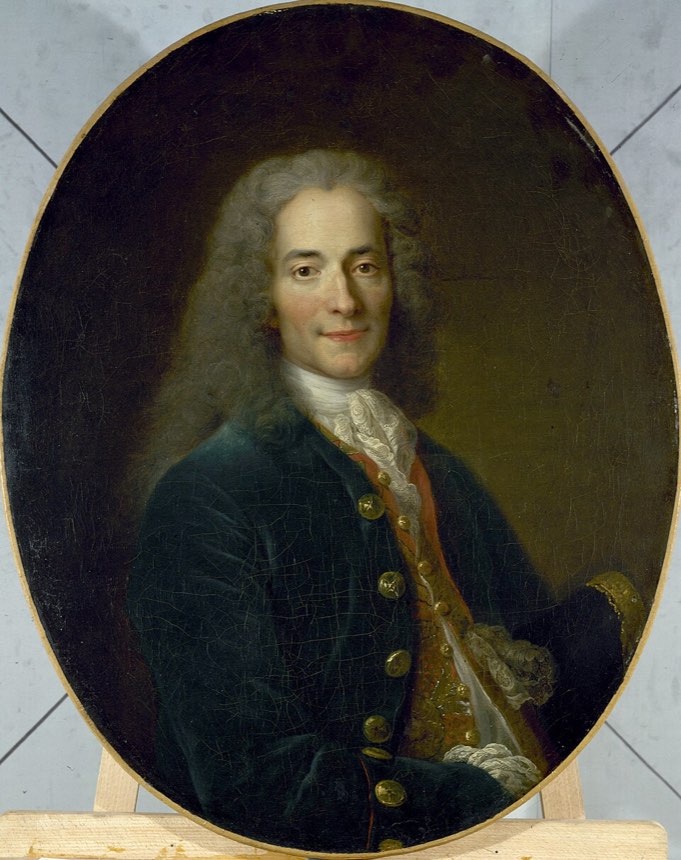

“Puritanism and paganism … alternate in mutual reaction in history.”
Chapter VIII
Economics and History
Wealth piles up at the top, then gets pumped back out, by reform or by revolution.
The Durants give Karl Marx a good deal of credit: “Political forms, religious institutions, cultural creations, are all rooted in economic realities.” Then they look at what wealth does over long stretches of time and find a rhythm.
- A hundred people, 100 coins each. They trade at random. In each deal a coin toss decides who wins a slice of the poorer partner’s coins.
- Pure luck, no difference in talent, and still wealth piles up at the top. Watch the share held by the richest ten climb.
- Now give some people slightly better odds, the way skill does. The pile grows faster, and soon most people have almost nothing to lose.
- Athens, 594 BC. Solon cancels debts and frees citizens enslaved for debt. A lawful, partial redistribution: the poor gain, and the total wealth is untouched.
- Or revolution: everything is seized and shared out. Everyone ends up equal, but trade and property are wrecked, so the whole pie shrinks.
- Then it starts again: concentrate, recirculate. The Durants call it the slow heartbeat of society. Try the buttons below.
- Economics explains a lot. Money from the Delian League built the Parthenon, Medici banking paid for the Florentine Renaissance, and the French Revolution came when the middle class had economic power without political power.
- But not everything. Religious fervor, nationalism and mob fury have moved masses against their economic interest.
- Ability is concentrated, so wealth concentrates. Most practical ability sits in a minority, and freedom lets its gains compound.
- Then the crisis. When the numbers of the many poor rival the ability of the few rich, history has met the moment “by legislation redistributing wealth or by revolution distributing poverty.”
- Markets need a motive. Every economic system sooner or later relies on some form of the profit motive to get people to produce.
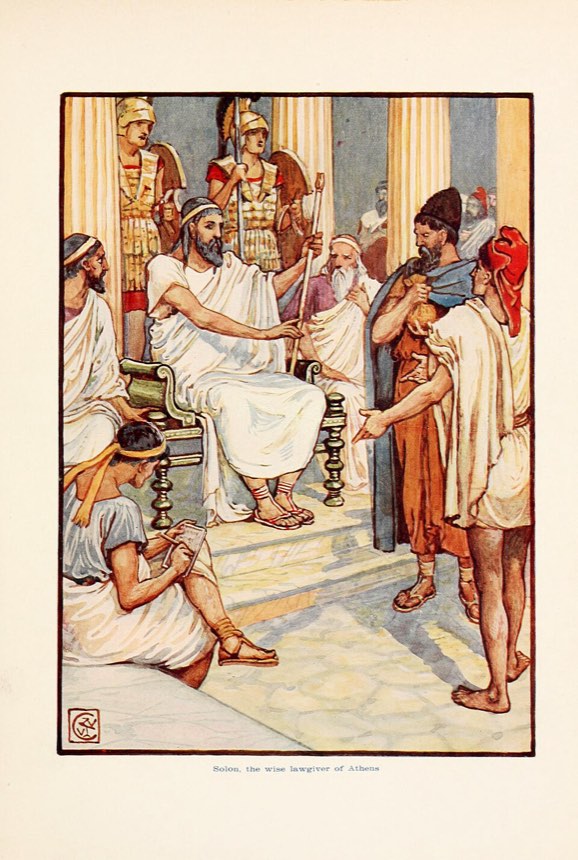


“…a vast systole and diastole of concentrating wealth and compulsive recirculation.”
Chapter IX
Socialism and History
State-run economies are ancient. They tend to work for a while and then bend back toward markets, while markets bend toward welfare.
The 20th-century fight between capitalism and socialism looks new, but the Durants find state-run economies scattered across four thousand years. They treat the fight as one more beat of the heartbeat from Chapter VIII: wealth concentrating, then being spread.
c. 2100–2000 BC
Sumer, Ur III dynasty
Ran: palace and temple workshops, farms and ration lists kept by scribes.
Ended: invasion and collapse, about 2004 BC.
305–30 BC
Egypt under the Ptolemies
Ran: the king owned the land and told farmers what to plant; state monopolies on oil, salt, papyrus and cloth.
Ended: revolts, then Roman conquest.
AD 301
Rome under Diocletian
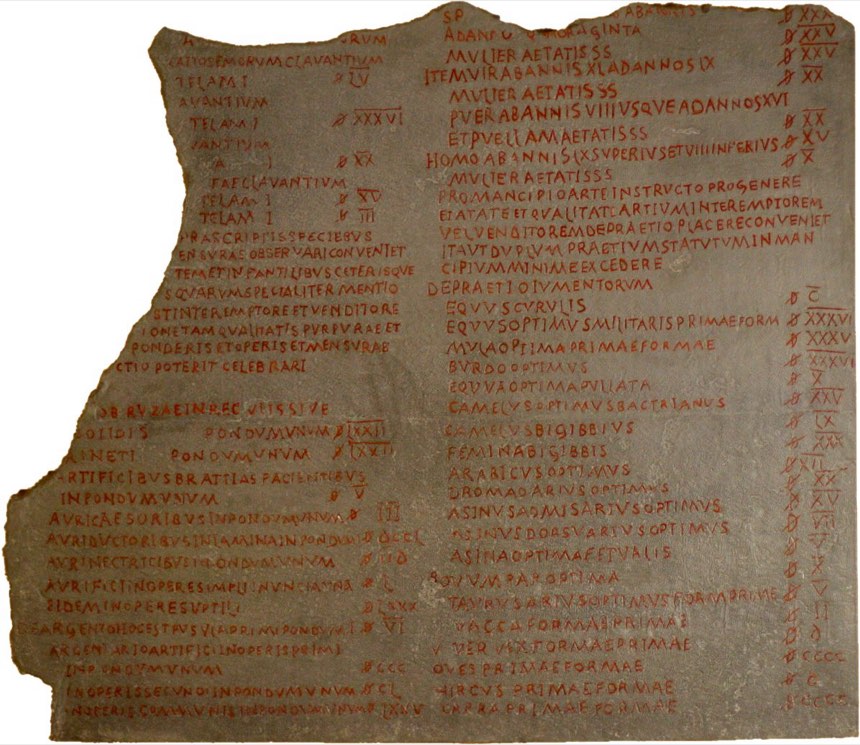
Ran: legal top prices for more than a thousand goods and wages, with death for breaking them.
Ended: goods vanished from markets and the edict was soon ignored.
AD 9–23
China under Wang Mang
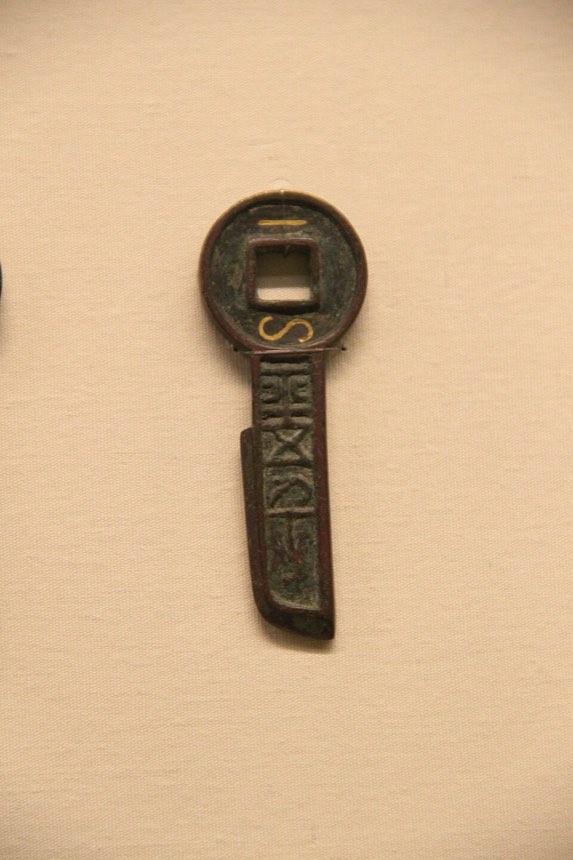
Ran: nationalized land, banned its sale, state monopolies, price controls, new coins.
Ended: floods, famine and rebellion; he was killed in AD 23.
1069–1085
China under Wang An-shih
Ran: state loans to farmers, state buying and selling to steady prices, tax reform.
Ended: conservative opposition; he was dismissed and his reforms repealed.
c. 1200s–1533
The Incas of Peru
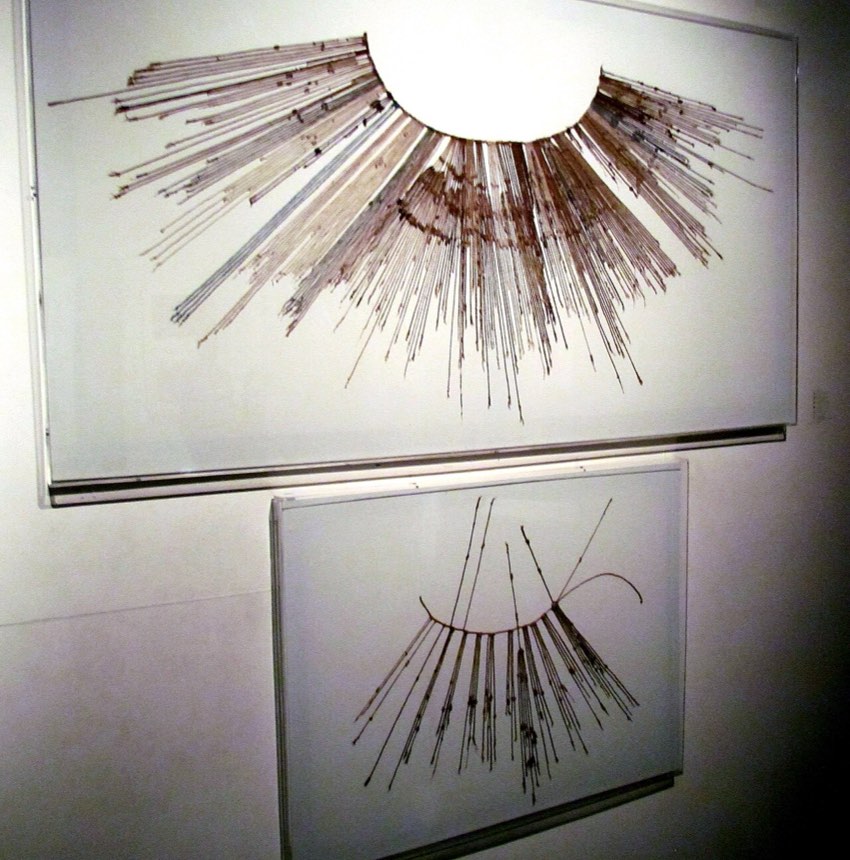
Ran: the state directed farming, labor and trade from great storehouses, without money or markets. The Durants call it the longest-lasting socialist regime known.
Ended: Spanish conquest.
c. 1620–1767
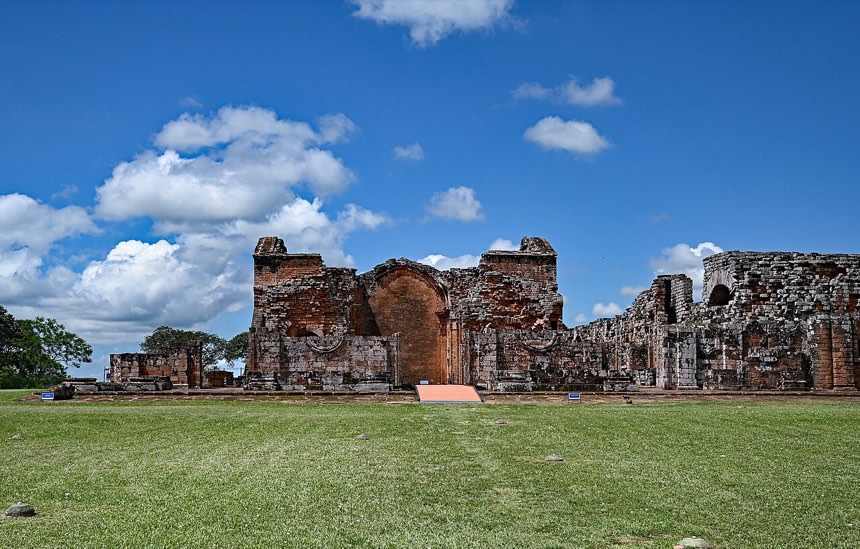
Jesuit missions of Paraguay
Ran: about 200,000 Guaraní in mission towns with shared fields, shared work and common stores.
Ended: Spain expelled the Jesuits in 1767.
- Bronze Age Mesopotamia and Ptolemaic Egypt: the earliest state-run economies, managed by scribes and royal officials.
- Rome, AD 301: facing inflation and unrest, Emperor Diocletian fixes the prices of everything.
- China tries it twice, a thousand years apart. Both reformers are undone by disaster and by the opposition of the old elite.
- In the Americas: the Inca state, and the Jesuit mission towns of Paraguay.
- The pattern: each worked for a while, usually under strong central power or religious faith, and each ended by revolt, invasion, or a slide back to markets.
- The 20th century: the Soviet Union brings back private trade (1921) and profit targets (1965), while the West adds income tax, pensions and health care. The Durants expected the two to meet in the middle.
- Hindsight from 2026: half right. China adopted markets from 1978 and nearly every rich country runs a mixed economy, but the Soviet Union collapsed in 1991 instead of drifting gently to the center.
- An old experiment. From Sumer to the Incas, many societies have run their economies from the center.
- How they ended. Usually by revolt, invasion, or the quiet return of markets once the founding enthusiasm faded.
- Danger shapes freedom. A state under threat centralizes: “internal liberty varies inversely as external danger.”
- Convergence. Fear of capitalism pushed socialism to allow more freedom, and fear of socialism pushed capitalism to allow more equality.




“Other factors equal, internal liberty varies inversely as external danger.”
Chapter X
Government and History
Freedom needs a few good fences. With none it dies in chaos; with too many it dies in order.
The Durants find monarchy the most common government in history, aristocracy a useful school for statesmen, violent revolution mostly destructive, and democracy the hardest form of all. Underneath runs one principle: liberty only exists inside limits.
Part 1 Why freedom needs limits
- Sixty-four people cross a square in both directions. There are no rules: everyone is free to walk wherever they like.
- Watch the red flashes: head-on encounters. People stop, dodge the same way, dodge again. Total freedom ends in jams.
- Add one rule: keep to the right. Everyone gives up a little freedom, and everyone gets where they are going faster.
- Now add rules everywhere: three checkpoints and a crawling speed limit. Perfect order, very little movement.
- Count the trips completed per minute in each world. Freedom peaks between no rules and all rules: its first condition is its limitation.
Part 2 Plato’s cycle, run by Rome
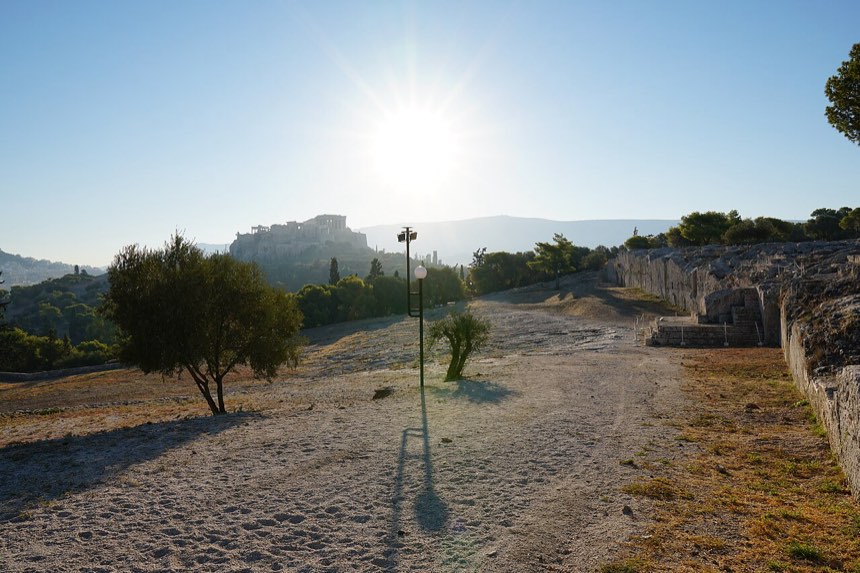
- Plato saw governments moving in a cycle: rule by one, by the best few, by the many, then by one again. The Durants use it as a rough map.
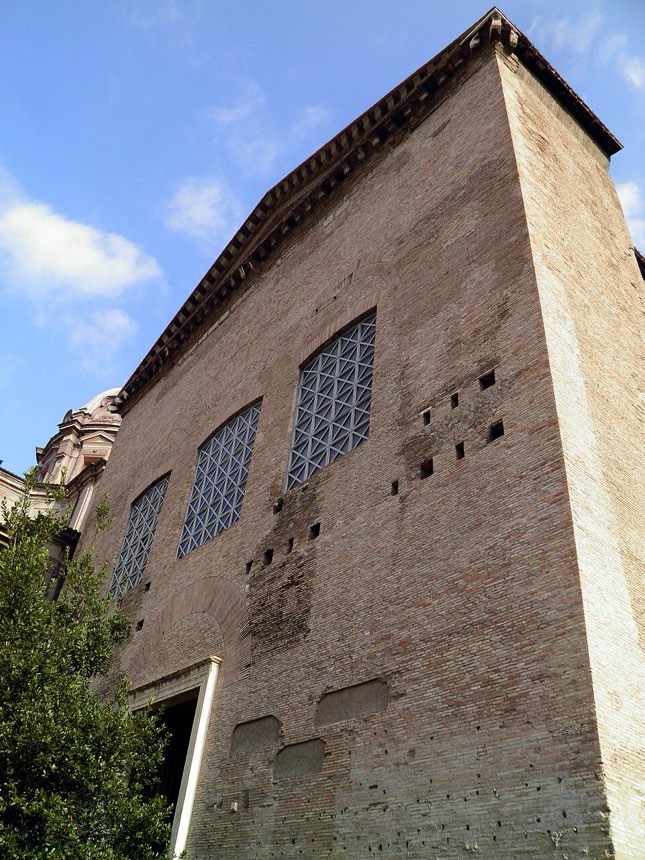
- Rome begins with kings, by tradition from 753 BC. In 509 BC the last king is driven out.
- A republic run by the Senate’s noble families: aristocracy. It conquers the Mediterranean, and wealth piles up at the top.
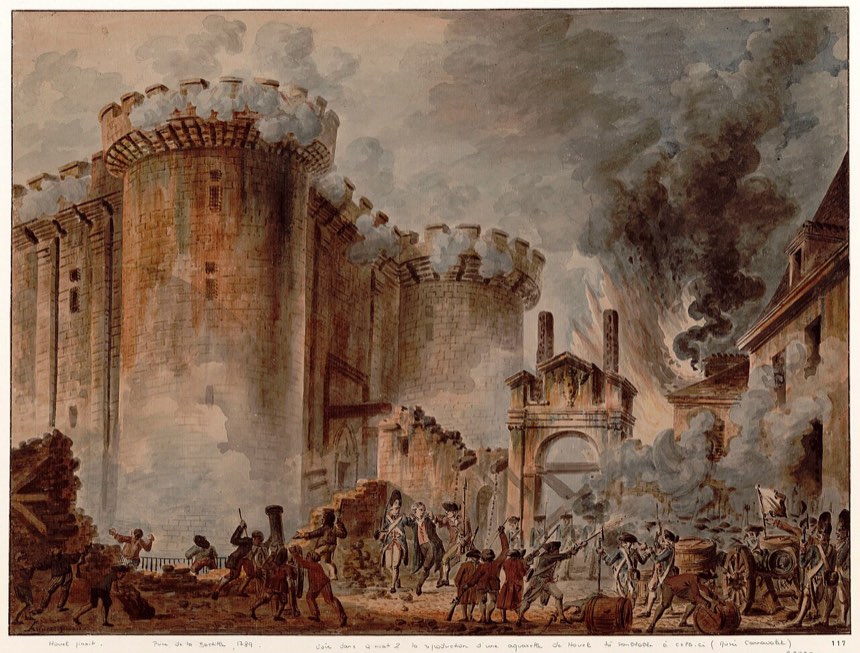
- The poor majority demands land and debt relief. The Gracchi brothers push land reform and are killed (133 and 121 BC). A century of class war and mob politics follows.
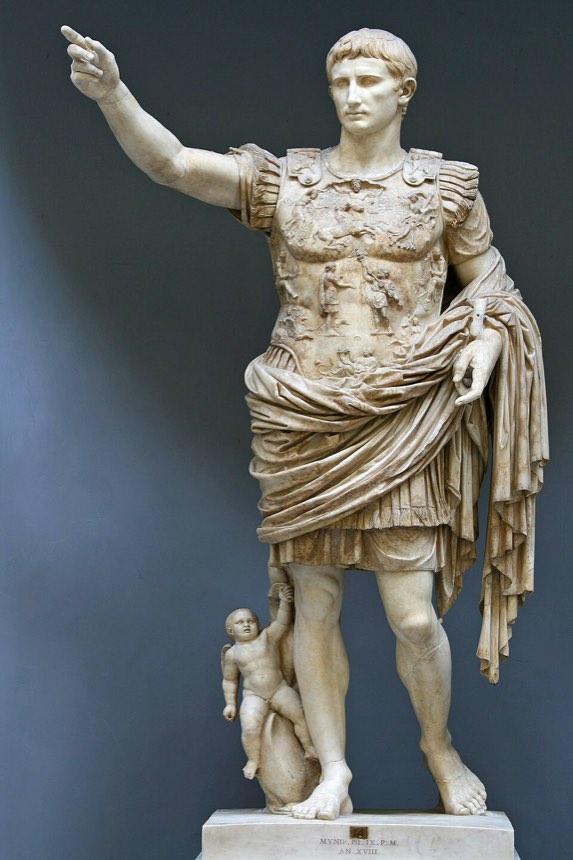
- In the chaos, strongmen take over: Sulla, then Caesar, then Augustus, who from 27 BC rules as an emperor in all but name. The wheel is back at rule by one.
- The Durants’ verdict: democracy is the hardest form of government because it needs the widest spread of intelligence. Even so, it has done less harm and more good than any other.
- Liberty needs limits. “The first condition of freedom is its limitation”; make it absolute and it dies in chaos.
- Revolutions destroy. “Violent revolutions do not so much redistribute wealth as destroy it.” The only real revolution is in the enlightenment of the mind and the improvement of character.
- Minorities govern. If most ability sits in a minority, minority government is as inevitable as concentrated wealth.
- Democracy is hard and worth it. It needs educated citizens; with real equality of educational opportunity, it becomes both real and justified.



“The first condition of freedom is its limitation.”
Chapter XI
History and War
War is the normal condition of history. Peace is the exception, and it has to be engineered.
War, the Durants write, is one of the constants of history, and it has not diminished with civilization or democracy. They ask why, and then let a general and a philosopher argue it out.
Part 1 268 years of peace in 3,421
- Each square is one year of recorded history, as counted by the Durants: 3,421 years in all.
- Color every year in which there was a war somewhere in the recorded world.
- Only 268 years saw no war anywhere. That’s about one year in thirteen. (They’re grouped at the end here; in reality they’re scattered.)
- On a human scale: if those peaceful years were spread evenly, an 80-year life would see about six of them.
Part 2 Why states fight
- Two neighbors want the same field. They have the usual instincts: wanting more, pride, anger.
- Above them stand restraints: laws, courts, police, morals. Each gave up the right to fight in return for protection, so they go to court.
- Two states want the same province. Same instincts, on a larger scale.
- Above them: nothing. No world police, no court that can enforce a verdict. A state has our instincts without our restraints, so the quarrel becomes war.
- The Durants’ general argues that peace holds only when one side is clearly supreme or the two are evenly matched. Drag the slider to see where that leaves room for war.
The general
War is nature’s way of selecting among groups. Every state must be ready to fight, since a nation that refuses will be absorbed by one that won’t. When a nation’s survival is at stake, “the Ten Commandments must be silent.”
The philosopher
Cooperation already grew from family to tribe to nation. With agreements, mutual restraint and some higher order, it could grow one more step to the world. The Durants hope so, and know the odds.
- The causes are old. Acquisitiveness, pugnacity and pride; the desire for food, land, materials, fuel and mastery.
- No referee above states. A citizen accepts law because the state protects him. States have no higher power to protect or restrain them.
- Peace is an unstable balance. It lasts while one side is clearly on top or both are evenly matched.
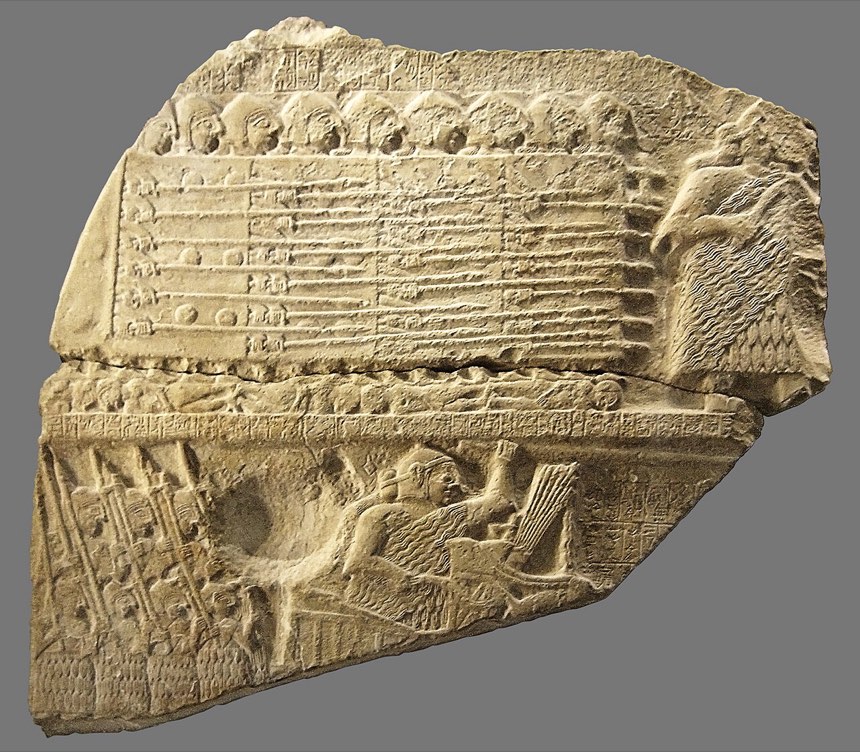

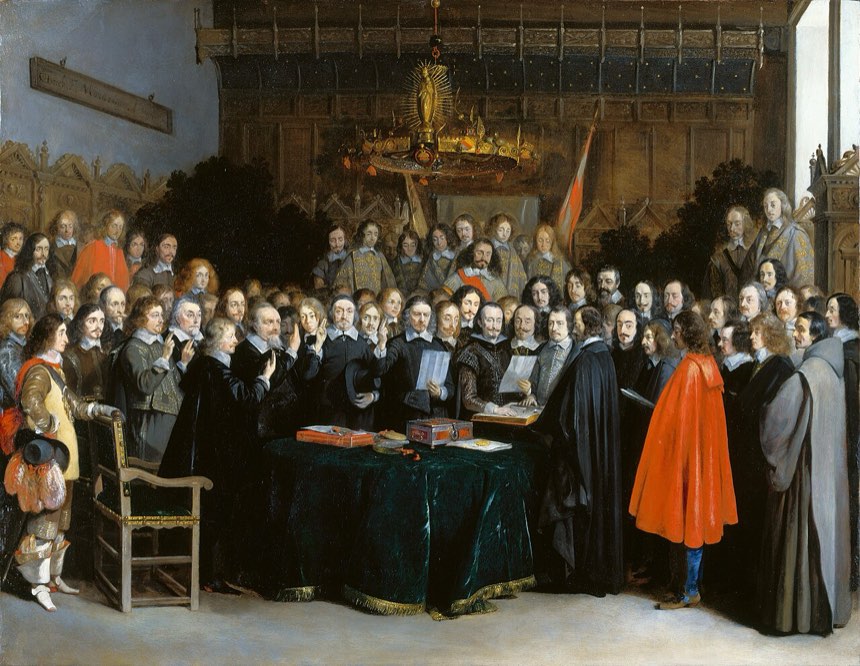

“War is one of the constants of history.”
Chapter XII
Growth and Decay
Civilizations grow by answering challenges and decline when they stop answering. Their best work outlives them.
The Durants define civilization as “social order promoting cultural creation.” They adopt Arnold Toynbee’s idea that growth is a chain of successful answers to challenges. When a civilization declines, it is through no mystic limit on its life span; its leaders have failed to meet the challenges of change.
- A civilization: enough order and security that people can create tools, laws, art and science.
- A challenge arrives: a drought, invaders, a trade route that moves away.
- A creative minority invents an answer, such as irrigation, and the majority copies it. The civilization grows.
- More challenges, more answers: walls against invaders, new ships for new routes. Growth is a chain of answered challenges.
- Then a challenge goes unanswered. Leaders cling to old ways, or the elite closes ranks and stops creating. Decline sets in.
- It doesn’t vanish. Its heritage of alphabets, laws, ideas and forms of art passes to others, who carry it on.
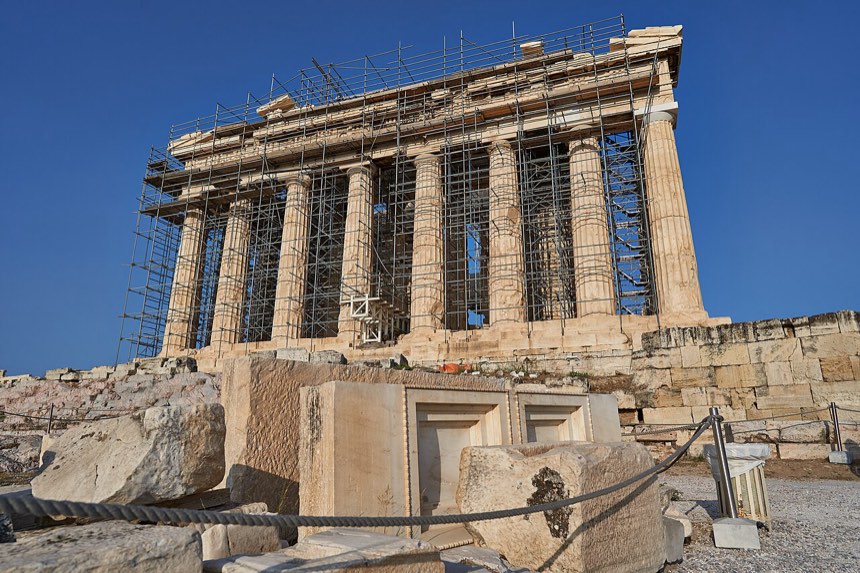
The ParthenonThe original: columns under a triangular pediment.George E. Koronaios · Wikimedia Commons · CC0 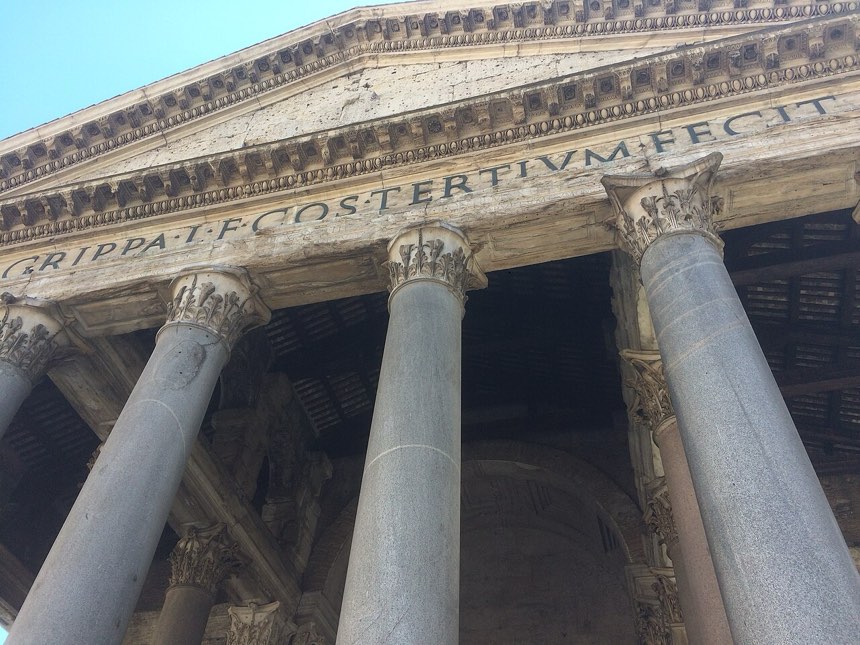
The PantheonRome copies the Greek temple front.SkylinesBuilder · Wikimedia Commons · CC BY-SA 4.0 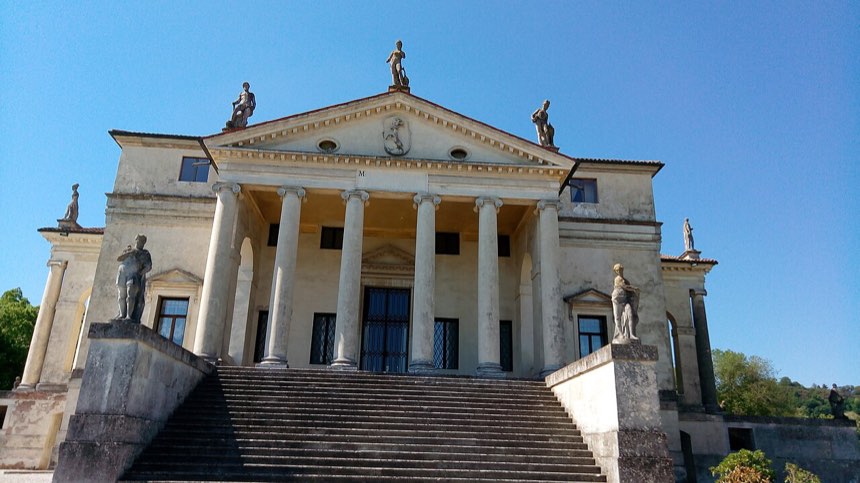
Villa La RotondaRenaissance Italy revives it for a country house.Valentina Sardone · Wikimedia Commons · CC0 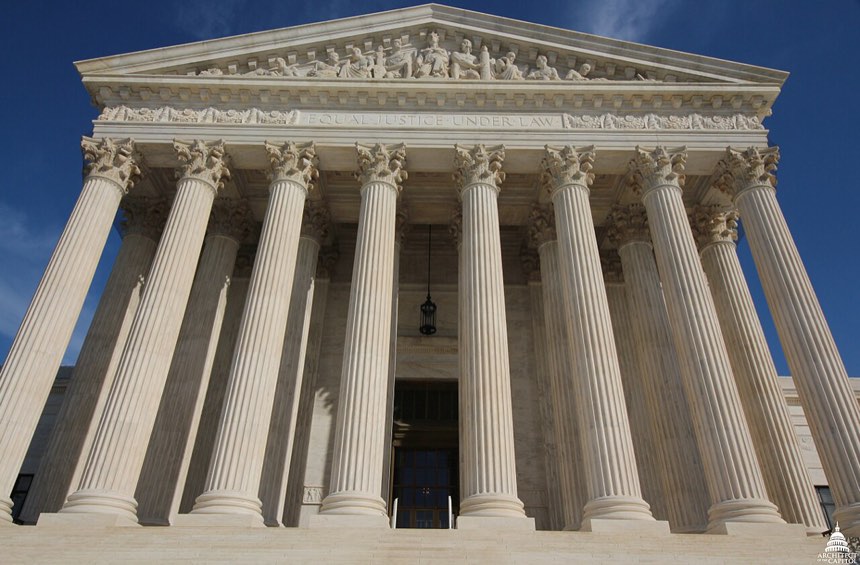
U.S. Supreme Court BuildingThe same form for a modern republic’s highest court.USCapitol · Wikimedia Commons · Public domain


- History rhymes. It repeats itself in the large because human nature changes with geological slowness.
- Challenge and response. Growth comes when a creative minority answers a challenge and the majority imitates the answer.
- Decline is a failure of leadership. Not old age: a challenge the political or intellectual leaders fail to meet.
- The heritage survives. “This selective survival of creative minds is the most real and beneficent of immortalities.”
“History repeats itself in the large because human nature changes with geological leisureliness.”
Chapter XIII
Is Progress Real?
People aren’t born better than they used to be. They are born into a richer inheritance, if someone teaches it to them.
The Durants define progress as “the increasing control of the environment by life.” Weighing wars, crimes and new weapons against everything else, they decide progress is real. It just doesn’t live in human nature. It lives in the heritage each generation hands to the next.
- A baby born 10,000 years ago and a baby born today. Same brain, same instincts. Neither is born knowing anything.
- What differs is what each is born onto: a short stack of inventions, or a tall one.
- None of it is inherited through genes. Each child has to climb the tower by learning. Education is how civilization is handed on.
- Skip one generation of teaching and the tower falls. If the handing-on stopped for a century, civilization would die.
- Progress, in the Durants’ sense, is the tower growing taller and wider: more heritage, kept safe, reaching more people.
Global estimates from Our World in Data. The Durants had the 1968 versions of these trends in mind.
- Human nature hasn’t improved. A child today isn’t born wiser than one in Periclean Athens.
- The heritage has grown. Knowledge, tools, arts and institutions keep accumulating, and more people can reach them.
- It has to be taught. “Civilization is not inherited; it has to be learned and earned by each generation anew.”
- Progress is that heritage’s growing abundance, preservation, transmission and use.
- The payoff. Read this way, the past stops being a chamber of horrors. It becomes a “celestial city” of great minds who still speak to anyone who visits.
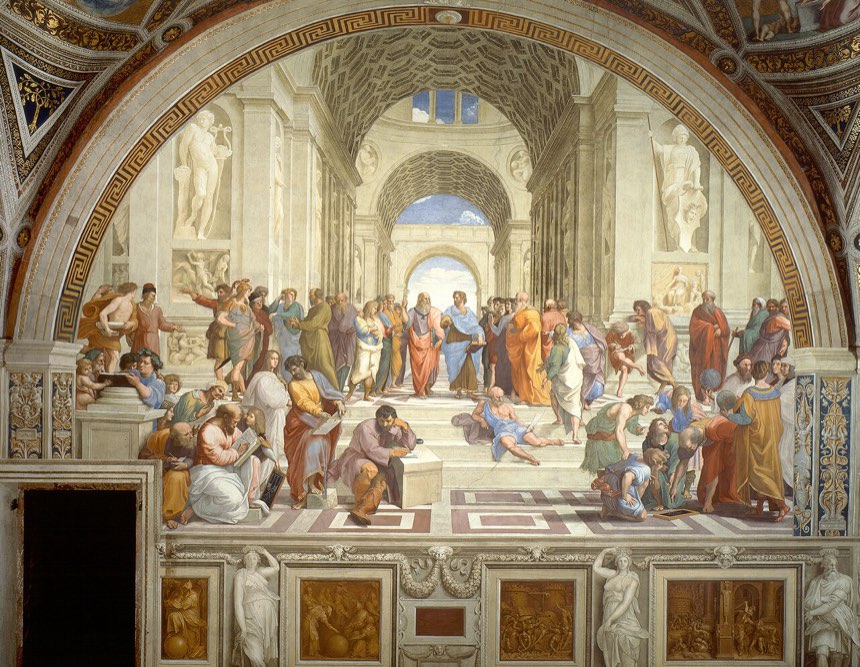

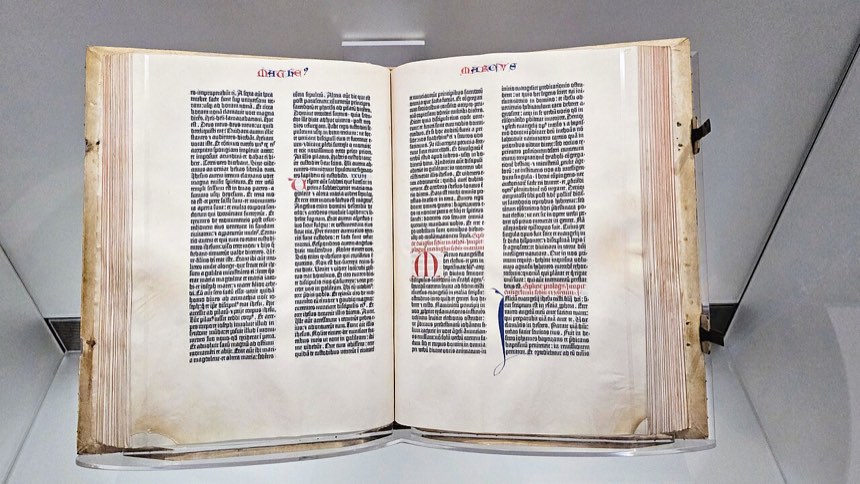

“It has to be learned and earned by each generation anew.”
Keep this
The thirteen lessons on one card
- Hesitations. The record is a small, biased sample. Hold lessons loosely.
- The Earth. Geography sets limits; technology keeps moving them.
- Biology. Life competes, selects and breeds. Freedom and equality pull against each other.
- Race. Circumstance makes civilizations, and civilizations make peoples.
- Character. Human nature is constant. New ideas must survive the mill of tradition.
- Morals. Moral codes fit economies, and change when the economy changes.
- Religion. Faith and law share the work of keeping order; their balance swings.
- Economics. Wealth concentrates, then gets redistributed by reform or by revolution.
- Socialism. State-run economies are old; capitalism and socialism borrow from each other.
- Government. Freedom needs limits. Democracy is the hardest form and the best so far.
- War. War is constant because no power stands above states.
- Growth and decay. Civilizations rise by answering challenges; their heritage outlives them.
- Progress. We aren’t born better, but we are born richer, if we are taught.
Notes from 2026, not from the book
How the 1968 forecasts aged
| Chapter | What the Durants expected | What happened |
|---|---|---|
| III | Population pressing on food; famine, pestilence and war as the checks. | World population rose from about 3.5 to 8.2 billion, yet famine deaths fell sharply. Births per woman fell from about 5 to about 2.3. |
| III | Higher Catholic birth rates would make the Church the dominant force in US government by 2000. | Didn’t happen. Catholic birth rates converged with everyone else’s. |
| II | Aircraft would favor giant land powers with short coastlines, such as Russia, China and Brazil. | China rose, but mostly by sea: ships still carry about 80% of world trade by volume. |
| VIII | Wealth keeps concentrating until it is redistributed. | The top 1% share of US income roughly doubled after 1980, and redistribution is again a central political fight. |
| IX | Capitalism and socialism would converge. | Half right: mixed economies everywhere and Chinese markets from 1978, but the Soviet Union collapsed in 1991. |
| XI | War remains a constant. | No world war since 1945, but wars never stopped; Russia’s invasion of Ukraine began in 2022. |
Check yourself
Ten quick questions
Pick an answer to see the reasoning. 0 of 10 answered